Three Decades at the Helm: Rick Dawson’s Legacy at Anderson Speedway
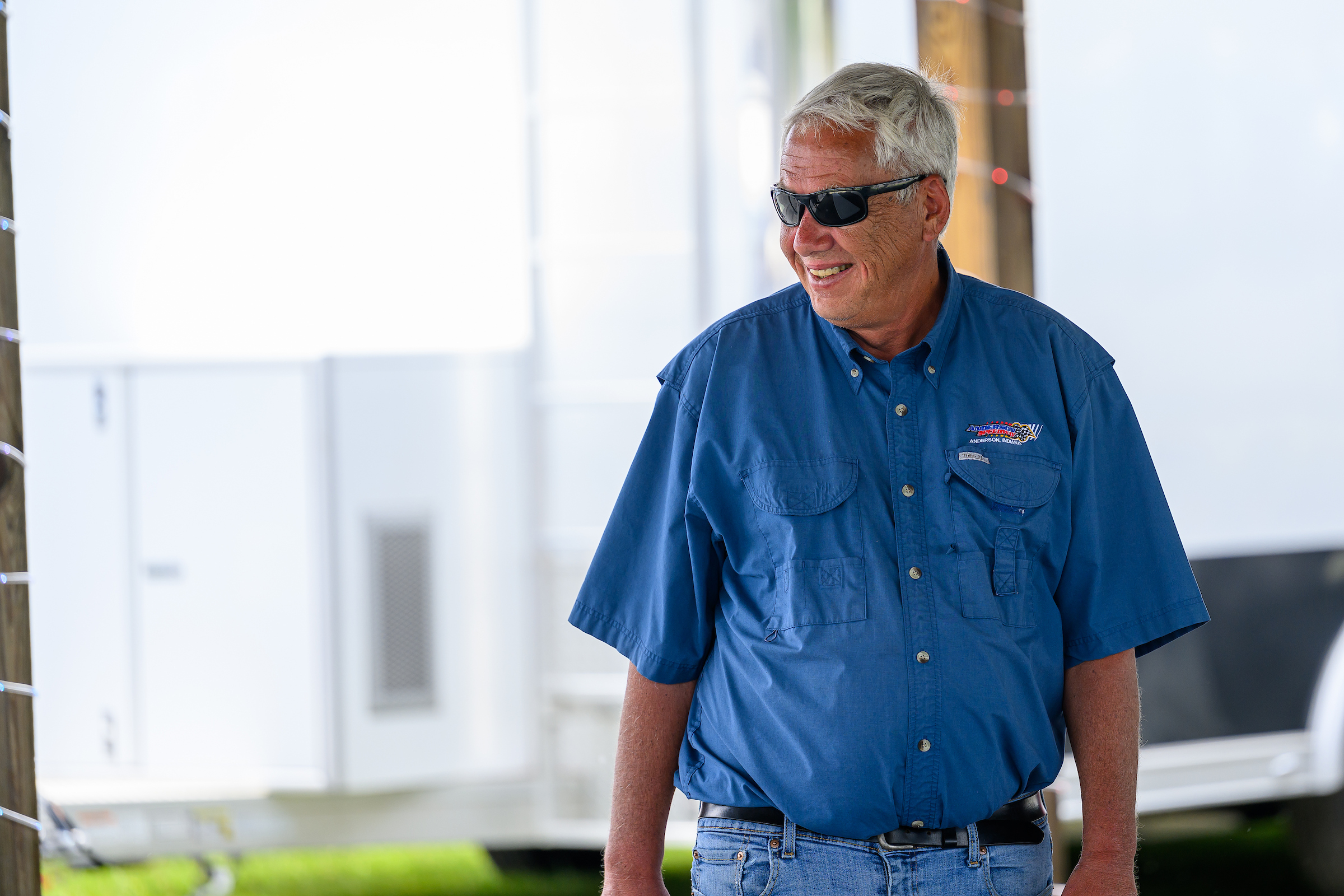
For 30 years, Anderson Speedway has been under the leadership of Rick Dawson, a milestone that now makes him the longest-tenured owner in the track’s history. In a sport defined by constant change, financial pressure, and generational turnover, three decades at the same helm represents more than longevity — it reflects persistence, adaptation, and a long-term commitment to keeping a historic racing venue alive.
Even as Dawson reaches this milestone, he is careful not to frame it as an endpoint or a final achievement. For him, the work of owning a racetrack is never truly finished. The goal has always been stability, sustainability, and survival not a destination.
When he purchased Anderson Speedway in the fall of 1996, Dawson admits he did not yet fully understand the depth of the business he was entering. What he did understand was the need to learn quickly and completely. The early years were defined by a steep learning curve, especially when it came to the financial realities of operating a racetrack.
The biggest challenge in those early seasons was gaining control of the speedway’s finances while working with limited capital. The track was underfunded, and every decision carried weight. That meant long hours, tight margins, and very little room for error. In many ways, those years shaped the foundation of everything that followed.
There were moments throughout that early period that continuing forward was not guaranteed. The pressure of responsibility, both financially and personally, forced difficult questions. But turning back was never seriously considered. Instead, Dawson pushed through, driven by determination and a refusal to let the effort fall apart after it had begun.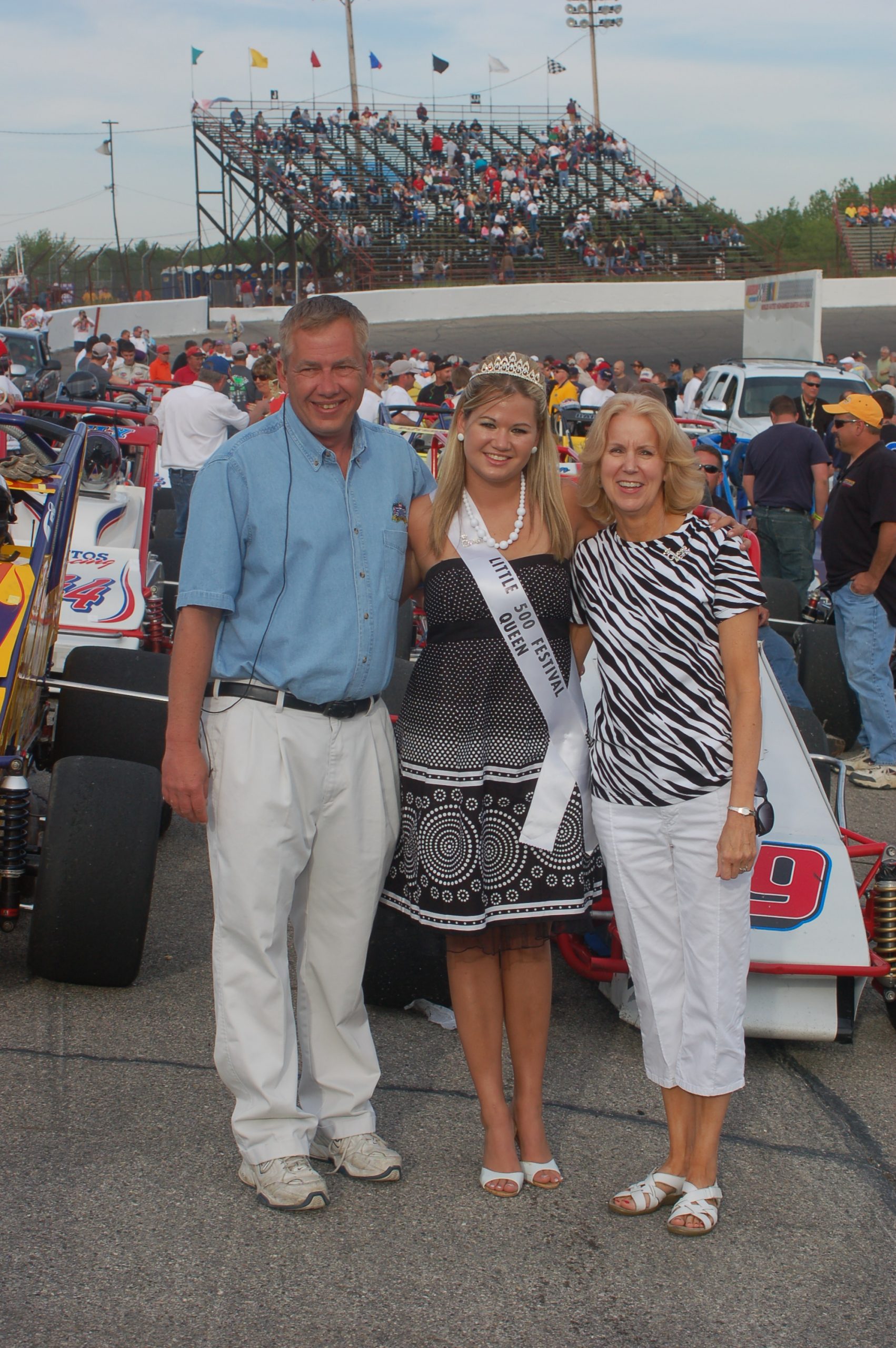
A major part of that perseverance was rooted in purpose. From the beginning, Dawson had a clear vision for transforming Anderson Speedway into a place that felt safe, welcoming, and family-oriented. When he purchased the track, he saw the opportunity to reshape its reputation into one where families could attend together and feel comfortable doing so.
That vision became a long-term focus, not just a short-term improvement. Over time, the culture of the speedway shifted. What was once seen differently by many in the community evolved into a gathering place built around families, tradition, and shared experiences.
Today, that identity remains one of the defining characteristics of Anderson Speedway. It is not just a racing facility, it is a community hub where generations return year after year. Drivers, crews, and fans often trace their involvement across decades, reinforcing the sense that the speedway is part of something larger than racing alone.
Looking back, Dawson does not point to a single defining moment as the highlight of his ownership. Instead, he reflects on broader achievements, especially seeing the speedway’s reputation and events regain strength and recognition over time. One of the most significant accomplishments has been the continued growth and restoration of the Little 500. It remains the cornerstone event of the track’s identity. Car counts, competition level, and national attention have all strengthened, helping re-establish the race as one of the premier racing events in the United States.
Like many short tracks across the country, Anderson Speedway has had to adapt in order to remain viable. That has meant thinking creatively, expanding offerings, and ensuring the facility continues to serve both competitors and fans in new ways.
After 30 years, one of Dawson’s most meaningful reflections is not tied to attendance numbers or major races, but to the structure he has built behind the scenes. Having the ability to build a stronger staff and delegate responsibilities has helped stabilize the operation and reduce the personal strain that comes with ownership. That shift has not only improved the business side of the speedway but also created the possibility of stepping back from constant day-to-day pressure.
Still, the overarching theme of Dawson’s tenure is ongoing effort. There is no sense of completion in his approach, only continuation. The track still requires attention, adaptation, and care, just as it did on day one.
Three decades later, Rick Dawson’s legacy at Anderson Speedway is defined less by a single achievement and more by endurance. Through financial challenges, operational demands, and years of uncertainty, he has kept the speedway alive and evolving. In doing so, he has helped preserve one of Indiana’s most iconic racing venues and ensured that its future remains connected to its past.
From Rick Dawson:
Accomplishments are not achieved by one person and have many people involved in some form. My Dad and Mon always had confidence in me and instilled a work ethic that encouraged hard work to achieive my goals. Dad has always told me that there is something good in everybody and everything that happens, sometimes you just have to look for it. At 90 years young I think he knows what he’s talking about. He reminds me that sometimes after he is done numbering the seats at the track or after his daily round of golf.
I would never have dreamed of acquiring a race track until I met RJ Scott while working together at ASA and seeing his immense talent and knowledge of the racing business and hoping to capitalize on it to have the premier track in the area. It is still working today. We remain very close even today and often discuss the track and value his friendship.
Good friends were integral from the start and I could not have made it 2 years let alone 30 without the councel of my good friend Skip Waymire, He was there with me from the start and still see his marks on the track everyday.
My accounting practice introduced me to a lot of people back then and none were more significant than a lady the I often refer to as my and the race tracks’s angel on earth, Rosemarie Albers. If not for her belief in me and more importantly the community and the positive impact it could have is the single most important reason the track is thriving today. Her unwavering support and belief in me is invaluable t o me even today.
Although I have probably not been the perfect father or husband, spending so much of my time at the track, my wife Brenda, daughter Lauren, her husband Dan and my grandchildren Calvin and Caroline are always there when I needed them. They give me the reason to keep going and keep climbing as high as I can go.
Who knew that my flagman would become one of my closest friends, Gary Mong.
I adopted the philosophy early on of Walt Disney as he talked about his dream of Disney World. “ Anderson Speedway will never be finished”. It will only be improved.